
Put the essential answer first
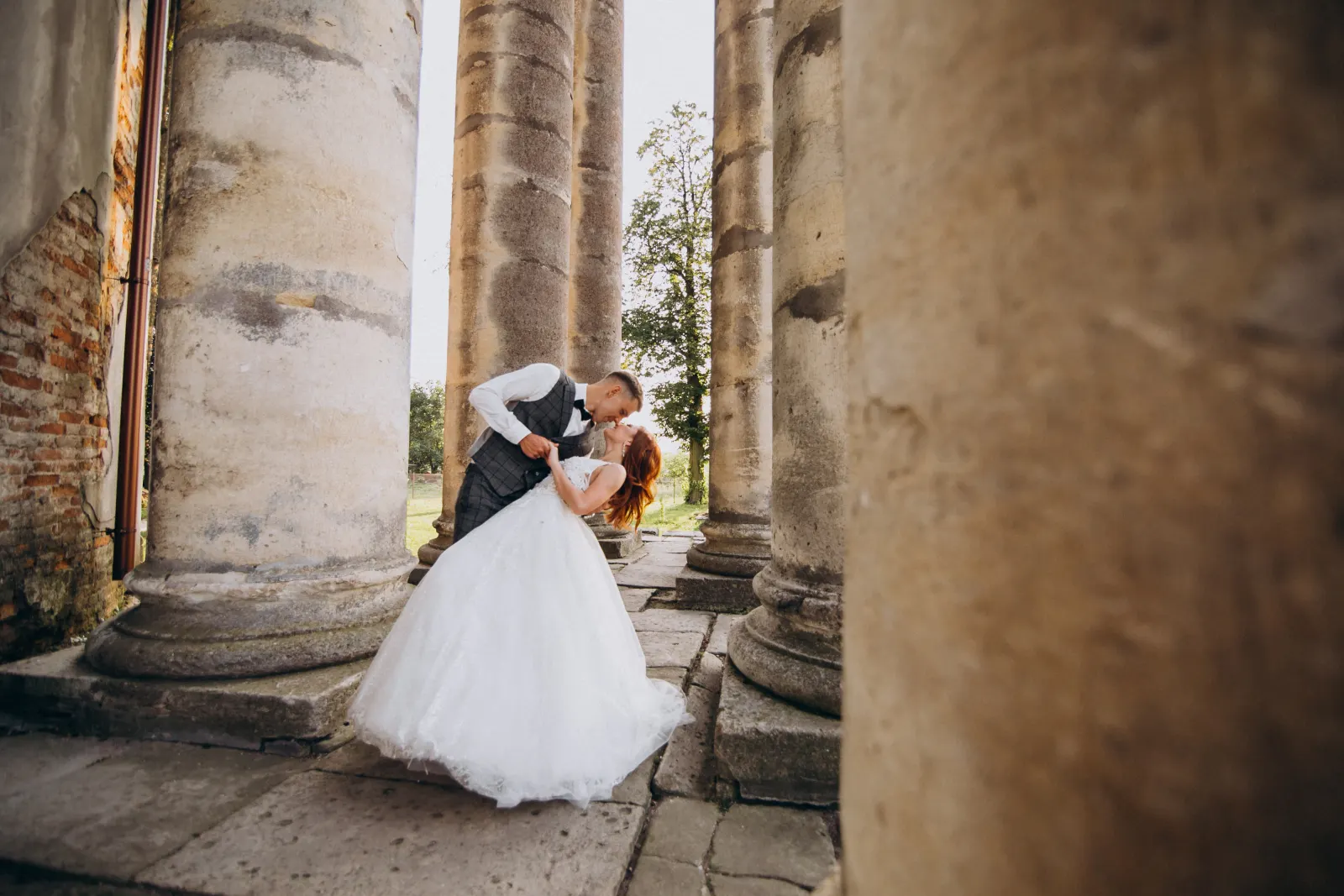
When a guest opens your wedding website, they should immediately recognise the couple, date and purpose of the page. A beautiful photograph and thoughtful welcome set the tone, but they should not push the practical information so far down that guests have to search for it.
Start with your names, wedding date, broad location and a visible RSVP action. If the site also acts as the invitation, include a clear invitation line. Personalised access can then show the household members and events relevant to that guest.
- The couple’s names
- Wedding date
- City or region
- A short welcome
- A prominent RSVP button
Create a complete event schedule
List each event a guest may attend with its own date, arrival time, start time, venue and short description. For multi-part weddings, do not place every ceremony and gathering into one paragraph. Separate entries are much easier to scan on a phone.
Be precise about what follows the ceremony, whether transport is provided and when the celebration is expected to end. If different households are invited to different events, use personalised invitations rather than publishing access rules that guests must interpret themselves.
- Welcome gathering or traditional celebration
- Ceremony arrival and start time
- Reception timing
- Next-day event
- Transport departure and return times
Give venue details that work on the day
Include the full venue name, street or farm address and a reliable map link. Add gate names, access codes, parking instructions or landmarks if standard navigation tends to stop at the wrong entrance. Guests often reopen the website while already travelling, so keep directions concise and mobile friendly.
For venues outside major centres, mention road conditions, mobile signal limitations and whether guests should fill up before the final stretch. If parking is limited or a shuttle is compulsory, say so clearly rather than treating it as a minor note.
Help travelling guests plan accommodation and transport
Share a short, curated accommodation list rather than an overwhelming directory. State whether rooms have been held, the booking reference, release date, approximate distance from the venue and whether transport will serve that property.
For guests flying, name the most practical airport and explain whether car hire, transfers or a shuttle are available. South African distances can look manageable on a map while involving unfamiliar roads or late-night driving. Honest travel guidance helps guests make safer choices.
- Recommended accommodation with booking instructions
- Nearest practical airport
- Shuttle eligibility and booking cutoff
- Driving and parking guidance
- Check-in considerations before the ceremony
Explain the dress code with enough context
A dress-code label is most useful when paired with one sentence of context. “Cocktail” means different things to different guests. Mention outdoor surfaces, weather, cultural elements or colour requests where they genuinely affect what someone should wear.
Be considerate when requesting traditional attire or a specific palette. Explain whether it is encouraged or required, and avoid rules that force guests into an unnecessary expense. Practical notes such as “the ceremony is on grass” or “evenings can be cold” are often more valuable than a mood board.
Outdoor formal
“Summer formal. The ceremony is on grass, so block heels or flats may be more comfortable.”
Winter celebration
“Cocktail attire. The reception is indoors, but please bring a warm layer for the outdoor welcome drinks.”
Use an FAQ for the questions guests will actually ask
A useful FAQ reduces repeated messages without sounding defensive. Cover children, plus-ones, accessibility, parking, photographs, cash bars, gifts and the person to contact on the day only when those subjects are relevant.
Keep sensitive guest-list decisions out of a public FAQ where possible. Personalised invitation wording is a better place to clarify who is invited. Provide a coordinator, wedding-party member or family contact for urgent questions so the couple is not handling directions during the ceremony.
- Are children invited?
- May I bring a plus-one?
- Is the venue accessible?
- Will parking or transport be available?
- May guests take and share photographs?
- Who should be contacted on the wedding day?
Keep gift information gracious and optional
Gift information should never overshadow the invitation. If guests ask for guidance, explain your preference simply. You might provide a registry, request contributions towards a shared goal or say that attendance is the only gift expected.
Avoid publishing banking details on a fully public page. Use a private invitation section or share sensitive payment information through an appropriate protected channel.
Build an RSVP that supports real planning
The RSVP should confirm attendance for the correct people and events. Collect meal choices, dietary requirements, accessibility needs and transport selections only if those answers connect to actual arrangements. Include the response deadline and explain how guests can update a response if plans change.
Responses are most useful when they feed the same guest list used for invitations, reminders, seating and attendance. This avoids manually matching form answers to different spellings or unnamed plus-ones in a spreadsheet.
Finish with personality, then test the practical journey
Your story, photographs and wedding-party introductions can make the website feel personal. Add them after the information architecture is clear. Guests should be able to enjoy the story without losing the date, venue or RSVP action.
Before publishing, test the website on a small phone and a computer. Open every link, submit a test RSVP, check spelling and ask someone outside the planning group to find the ceremony time, map, dress code and accommodation. Their hesitation will show you what needs to be clearer.